
Introduction
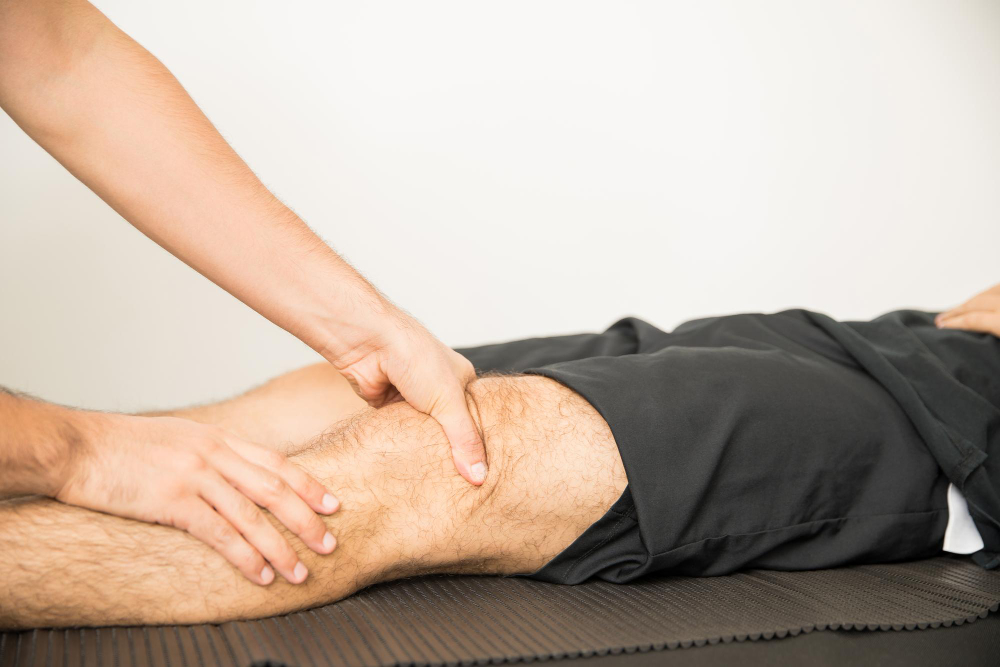
Knee ligament injuries are common, especially among active people. These injuries can cause pain, swelling, and trouble moving the knee. Physical therapy for knee ligament injuries is a key part of recovery. It helps people regain strength, movement, and confidence. In fact, many doctors recommend physical therapy as the first step after a knee ligament injury. This approach can help you heal faster and avoid future problems.
What Are Knee Ligament Injuries?
Knee ligaments are strong bands that connect bones in your knee. There are four main ligaments:
Common causes include sports injuries, falls, or car accidents. Symptoms often include pain, swelling, a popping sound, and trouble walking. Sometimes, the knee may feel unstable or give way.
How Physical Therapy Helps Knee Ligament Injuries
Physical therapy plays a big role in knee ligament injury recovery. It aims to restore movement, reduce pain, and build strength. Early therapy can also prevent stiffness and muscle loss. Moreover, it helps you return to daily activities safely. Here are some key benefits:
According to the CDC, physical therapy is often recommended after knee ligament injuries to support safe and effective healing.
Common Physical Therapy Techniques for Knee Ligament Injuries
Physical therapists use many proven techniques to help your knee heal. Each method is chosen based on your injury and needs. For example, some common physical therapy exercises for knee injuries include:
Each session is tailored to your progress and comfort level. The goal is always to help you return to normal activities as soon as possible.
What to Expect During Physical Therapy
During your first visit, the therapist will check your knee and ask about your symptoms. Next, they will create a plan just for you. Most sessions last 30 to 60 minutes. At first, you may focus on gentle movements and pain control. As you improve, exercises will get harder to build strength and balance. Usually, you will have therapy two to three times a week. Over time, you should notice less pain and better movement. Your therapist will track your progress and adjust your plan as needed. In many cases, people see big improvements within a few weeks.
Tips for a Successful Recovery
Recovering from a knee ligament injury takes time and effort. However, you can help your healing by following these tips:
To prevent re-injury, always warm up before exercise and use proper techniques. In addition, avoid sudden twists or heavy impacts on your knee. If you play sports, consider using knee supports or taping as extra protection.
When to Consult a Specialist
Most knee ligament injuries improve with physical therapy. But sometimes, you may need extra help. See a specialist if you notice:
Early care can prevent long-term problems. Many physical therapy clinics near you offer expert help for knee ligament injuries. Always listen to your body and seek advice if you are unsure.
Consult a physical therapist at Active Balance for personalized guidance on knee ligament injury recovery.