
Recurrent dislocations can disrupt daily life and cause ongoing pain. Physiotherapy for recurrent dislocations offers hope for better movement and less discomfort. In this blog, you will learn about symptoms, causes, diagnosis, and how physiotherapy can help. If you or someone you know faces repeated joint dislocations, this guide explains what to expect and how to manage the condition.
What Are Recurrent Dislocations?
First, let us understand what a dislocation is. A dislocation happens when a bone slips out of its normal place in a joint. Sometimes, this can happen more than once. When a joint keeps slipping out, it is called a recurrent dislocation. Most often, this affects the shoulder, knee, or fingers. However, any joint can be involved. Recurrent dislocations can make joints weak and unstable. Because of this, daily tasks may become harder.
Common Symptoms
Recognizing the signs early can help you seek care quickly. Common symptoms of recurrent dislocations include:
Sometimes, you may also feel numbness or tingling. This can happen if nerves are affected.
Causes and Risk Factors
Many things can lead to recurrent dislocations. For example, a past injury can weaken the joint. In some cases, people are born with loose ligaments. This makes their joints more likely to slip out. Other risk factors include:
Because of these factors, some people are more at risk than others. However, anyone can develop recurrent dislocations after a serious injury.
How Recurrent Dislocations Are Diagnosed
Doctors use several steps to diagnose recurrent dislocations. First, they ask about your symptoms and medical history. Next, they examine the joint for signs of instability or weakness. Sometimes, they may order tests such as:
With these tools, doctors can find the cause and plan the best treatment. Early diagnosis helps prevent further damage.
Role of Physiotherapy in Managing Recurrent Dislocations
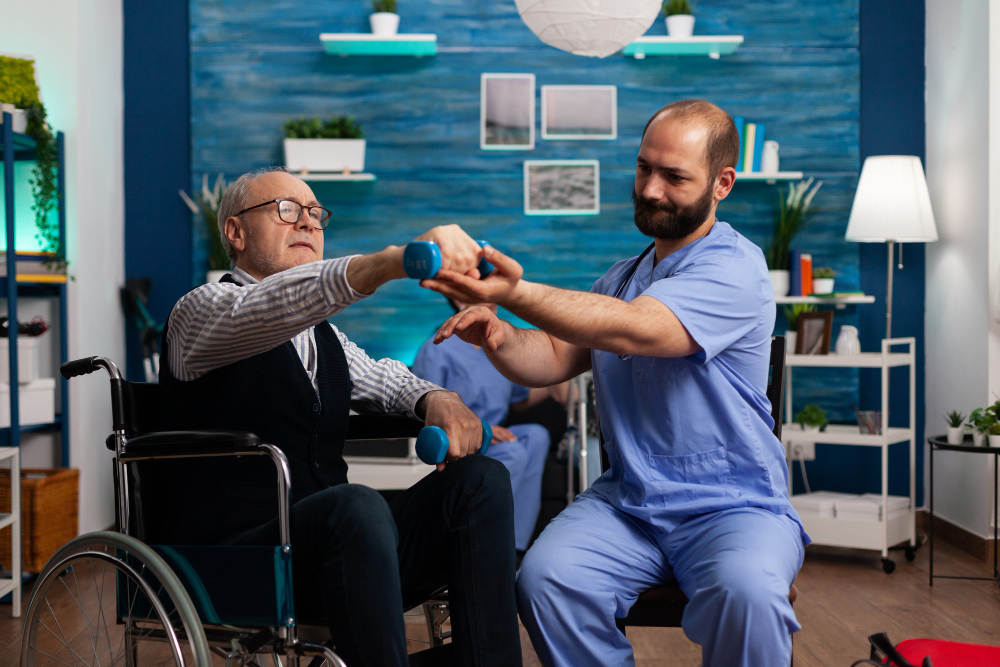
Physiotherapy plays a key role in treating recurrent dislocations. After a joint slips out, muscles and ligaments may become weak. Because of this, the joint is more likely to dislocate again. Physiotherapists use special exercises and treatments to strengthen the area. As a result, the joint becomes more stable. In many cases, physiotherapy can reduce pain and improve movement. It can also help you return to daily activities safely. For those looking for physiotherapy clinics near you, many offer tailored programs for joint stability.
Physiotherapy Techniques and Exercises
Physiotherapists use many techniques to help people with recurrent dislocations. Some common methods include:
For example, shoulder dislocation exercises may focus on the rotator cuff muscles. Knee dislocation therapy may include leg muscle strengthening. Your physiotherapist will design a plan that fits your needs. Always follow their advice for the best results.
Prevention Tips and Lifestyle Guidance
While not all dislocations can be prevented, you can lower your risk. Here are some helpful tips:
Additionally, staying at a healthy weight can reduce stress on your joints. Because prevention is better than cure, these steps can help protect your joints.
When to See a Specialist
If you notice repeated joint dislocations, do not ignore them. Seek help if you have:
Early treatment can prevent long-term problems. Therefore, consult a physiotherapist or healthcare specialist for a full assessment and advice.
In summary, physiotherapy for recurrent dislocations can help you regain strength and confidence. For the best care, consult a physiotherapist at Active Balance for personalized advice on managing recurrent dislocations.