
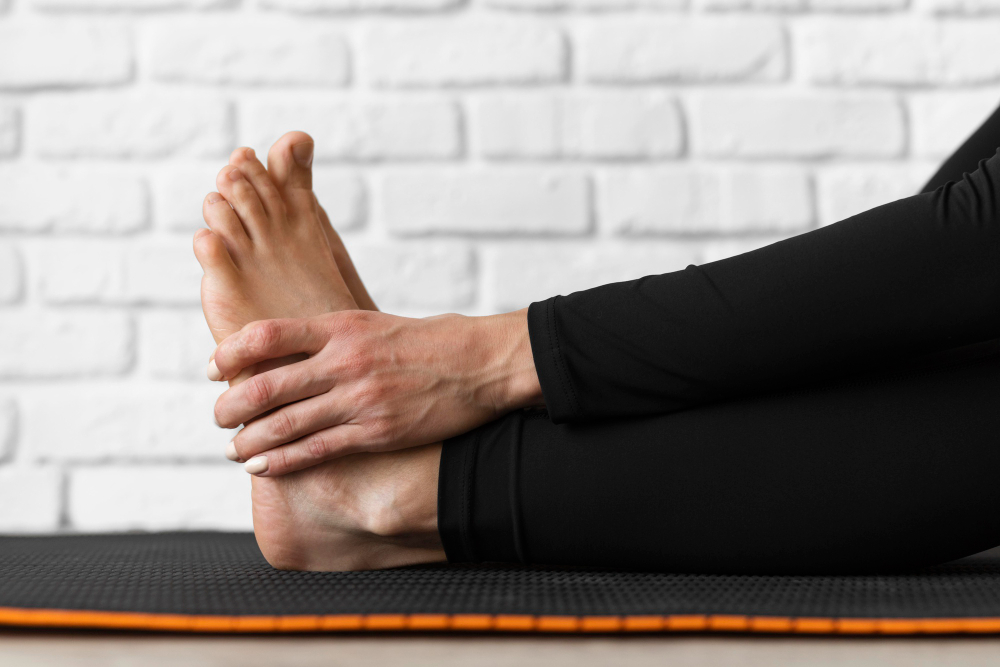
What Are Flat Feet?
Flat feet, also called fallen arches, happen when the arches on the inside of your feet flatten. As a result, the entire sole touches the ground when you stand. While some people are born with flat feet, others develop them over time. For many, flat feet do not cause problems. However, some people notice pain or changes in how they walk. According to the American Academy of Orthopaedic Surgeons, flat feet are common in both children and adults.
How Flat Feet Affect the Knees
Many people do not realize there is a strong flat feet knee pain connection. When your foot arch collapses, your ankle may roll inward. Because of this, your knees can twist or move out of line. Over time, this extra stress can lead to knee pain. In fact, studies in peer-reviewed journals show that flat feet can change how your legs move. As a result, you might feel pain in your knees, hips, or even your lower back. So, it is important to understand how your feet can affect your whole body.
Common Symptoms of Flat Feet and Knee Pain
Flat feet and knee pain can show up in many ways. Sometimes, symptoms are mild. Other times, they can affect your daily life. For example, you might notice:
In some cases, you may also feel pain in your hips or lower back. Because symptoms can vary, it is important to pay attention to any changes in your feet or knees.
Causes and Risk Factors
There are several reasons why someone might develop flat feet and knee pain. Some people are born with flat arches. Others develop flat feet as they age. In addition, certain factors can raise your risk:
Because flat feet can change your body’s alignment, they may cause extra stress on your knees. Over time, this can lead to pain and even joint damage.
Diagnosis: How Doctors Identify the Connection
When you visit a doctor for flat feet and knee pain, they will start with a physical exam. First, they may ask about your symptoms and medical history. Next, they will look at your feet while you stand and walk. Sometimes, doctors use special tests, such as X-rays or scans. These tests help rule out other causes of pain. In many cases, doctors check how your feet, ankles, and knees move together. Because the flat feet knee pain connection is not always obvious, seeing a specialist can help. For example, a podiatrist or orthopedic doctor can spot subtle changes in your gait.
Treatment Options for Flat Feet and Knee Pain
Treatment depends on how severe your symptoms are. For mild cases, simple changes may help. However, some people need more support. Common treatment options include:
In rare cases, surgery may be needed. However, most people find relief with non-surgical treatments. According to the CDC, early care often leads to better outcomes.
Lifestyle Tips and Prevention Strategies
Even if you have flat feet, you can take steps to prevent knee pain. For example, you can:
Because prevention is key, early action can help you avoid long-term problems. If you live in a busy city or spend hours on your feet, paying attention to your foot health is even more important. With the right care, you can reduce the risk of developing knee pain from flat feet, consult at Active Balance.