
Introduction to Brain Games and Cognitive Health in Seniors
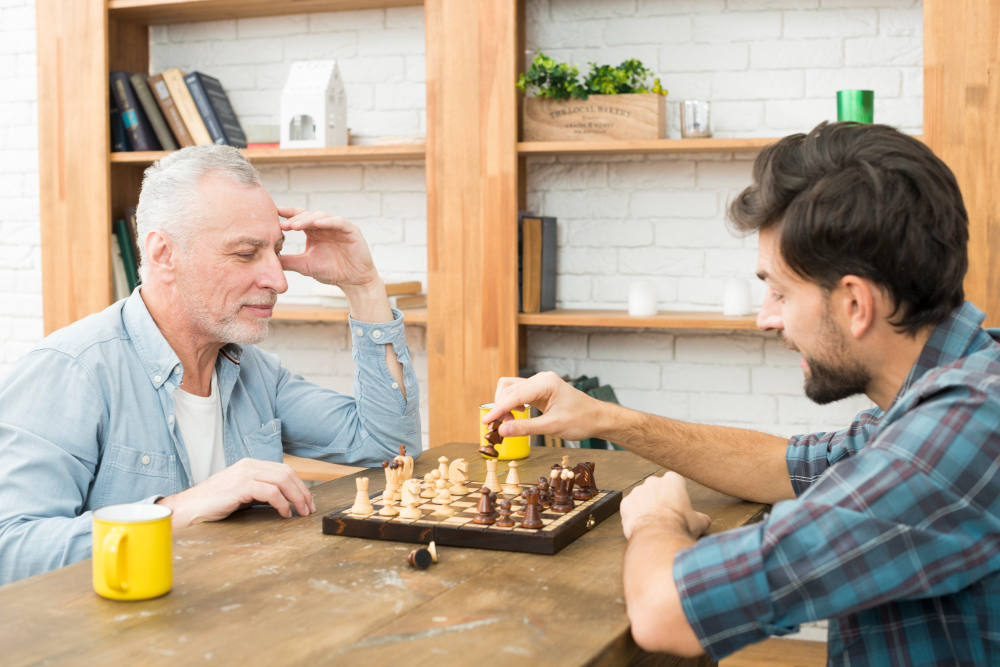
Many people want to keep their minds sharp as they age. Brain games for seniors are helpful tools to support memory and thinking skills. In fact, these games can make daily life easier and more enjoyable. Seniors often look for ways to stay active, both physically and mentally. Because the brain needs regular exercise, brain games offer a fun way to challenge the mind. According to the CDC, staying mentally active may help reduce the risk of memory loss. For seniors in any city or region, these games can be played at home or in groups.
Common Symptoms of Cognitive Decline in Older Adults
Sometimes, changes in memory or thinking can be signs of cognitive decline. However, not every forgetful moment means there is a problem. Some common symptoms include:
Because these signs can be mild at first, it is important to watch for changes over time. If symptoms get worse, it is wise to talk to a doctor.
Causes and Risk Factors for Age-Related Cognitive Changes
As people grow older, some changes in thinking are normal. Yet, certain factors can increase the risk of faster decline. For example, age is the biggest risk. But other causes include:
Because many of these risks can be managed, making healthy choices may help slow changes.
How Brain Games Benefit Senior Mental Sharpness
Brain games for seniors can improve memory and thinking skills. In addition, they can boost mood and confidence. According to studies in peer-reviewed journals, regular mental activity may help delay memory loss. For example, the best brain exercises for elderly adults often include puzzles and memory games. These activities to improve memory in seniors keep the mind busy and alert. Furthermore, playing games with others can support social health. Because the brain can form new connections, challenging it helps keep it strong.
Types of Brain Games and Examples
There are many types of brain games for seniors. Each type offers unique benefits. For instance, some games focus on memory, while others build problem-solving skills. Popular options include:
Because everyone is different, it is good to try several types and see which are most enjoyable.
Guidelines for Choosing Safe and Effective Brain Games
When picking brain games for seniors, safety and enjoyment matter. First, choose games that match the person’s skill level. Next, look for games with clear instructions. Because some seniors may have vision or hearing problems, pick games with large print or sound options. It also helps to select games that can be played alone or with friends. For digital games, make sure they are easy to use and do not require complex steps. Always check that the game is age-appropriate and does not cause frustration.
Lifestyle Tips to Support Cognitive Health Alongside Brain Games
Brain games are helpful, but other habits also support senior brain health. For best results, try these tips:
Because a healthy lifestyle works together with brain games, seniors can enjoy better memory and focus.
Prevention Strategies for Cognitive Decline in Seniors
Taking steps early can help prevent or slow cognitive decline. For example, regular brain games for seniors in your area can keep the mind active. In addition, staying connected with family and friends helps reduce loneliness. Eating healthy foods and staying active are also important. Because regular check-ups catch health issues early, visit your doctor as needed. Finally, keep learning new things, like a hobby or language, to challenge your brain.