What Is Back Pain?
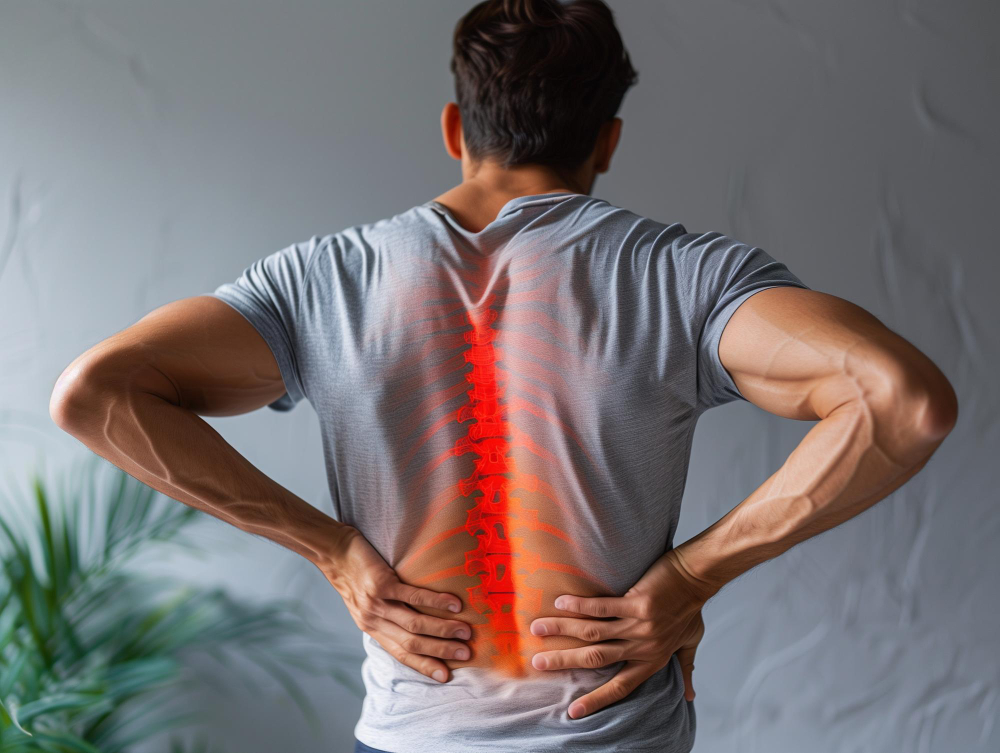
Back pain is a common health problem. It can affect people of all ages. In fact, many adults will have back pain at some point. Back pain vs sciatica is a topic many people want to understand. Back pain usually means discomfort or soreness in the area between your neck and hips.
Often, back pain feels like a dull ache. Sometimes, it can be sharp or stabbing. You may notice pain when you move, lift, or sit for a long time. In some cases, the pain stays in one spot. However, it can also spread to other areas.
Common symptoms of back pain include:
There are many causes of back pain. For example, muscle strain, poor posture, or lifting heavy objects can lead to pain. Sometimes, back pain comes from injuries, arthritis, or disc problems. According to the World Health Organization (WHO), most back pain is not caused by serious disease.
What Is Sciatica?
Sciatica is a specific type of nerve pain. It happens when the sciatic nerve gets irritated or pressed. The sciatic nerve runs from your lower back down each leg. Because of this, sciatica pain often travels from your back to your leg.
Unlike general back pain, sciatica has some clear signs. For example, you may feel a sharp, burning, or shooting pain. This pain usually starts in the lower back or buttock and moves down one leg. Sometimes, you may also feel tingling, numbness, or weakness in the leg.
Common symptoms of sciatica include:
Typical causes of sciatica include a slipped or herniated disc, bone spurs, or spinal narrowing. These problems can press on the sciatic nerve.
Key Differences Between Back Pain and Sciatica
It is important to know the difference between back pain and sciatica. While both can cause discomfort, they are not the same. For example, back pain often stays in the back. On the other hand, sciatica pain travels down the leg.
Let’s compare their symptoms:
When it comes to causes, back pain can result from muscle strain, poor posture, or injury. In contrast, sciatica is usually caused by pressure on the sciatic nerve, such as from a slipped disc.
The affected areas are also different. Back pain affects the back, while sciatica affects the back, buttock, and leg. Because of these differences, knowing how to tell back pain from sciatica can help you seek the right care.
Diagnosis of Back Pain vs Sciatica
Healthcare professionals use several ways to tell the difference between back pain and sciatica. First, they ask about your symptoms and medical history. For example, they may ask where your pain is and if it travels down your leg.
Next, a physical exam helps check your strength, reflexes, and movement. Sometimes, doctors use imaging tests. These may include:
Because symptoms can overlap, these tests help find the exact problem. Early diagnosis can lead to better treatment and faster relief.
Treatment Options
Treatments for back pain and sciatica can be different. For back pain, most people get better with simple steps. These may include rest, gentle movement, and over-the-counter pain medicine. In addition, heat or ice packs can help reduce pain.
For sciatica, treatment often depends on the cause. For example, doctors may suggest physical therapy, stretching, or specific exercises. Sometimes, stronger pain medicine or steroid shots are needed. In rare cases, surgery may be an option if other treatments do not help.
Evidence-based treatments for both conditions include:
According to medical guidelines, most people recover without surgery.
Prevention and Lifestyle Tips
There are ways to lower your risk of back pain and sciatica. For example, keeping a healthy weight can help. Regular exercise also makes your back and core muscles stronger. Because good posture is important, try to sit and stand up straight.
Here are some practical tips:
Safe exercises include walking, swimming, and gentle stretching. Before starting new exercises, check with your healthcare provider. With these steps, you can help prevent both back pain and sciatica.
Conclusion
If you have back pain or sciatica symptoms, Active Balance is here to help. Book a consultation today to get clear answers and a care plan that fits your needs.